The Sage Advice On Glass Window Repair From An Older Five-Year-Old


Window Repair - How to Repair Cracks in Glass Windows
Restoring rather than replacing windows can help save money and maintain the aesthetics. The images in this article show the process of removing the sash of wood, but the process is similar to aluminum or vinyl frames.
Wearing gloves, cut off the old putty, and remove the glazing points that help to hold the glass in the frame. Wire-brush the frame, then vacuum it or wipe it clean with a damp cloth.
Cracks
The best way to repair cracks in glass windows is to use epoxy. This high-tech glue has been specifically designed to work with glass. It is quick to hold window panes together. Before you apply epoxy, clean the glass's surface well with a damp cloth to get rid of dust and oil as well as fingerprints. This will ensure the best possible adhesive bond. Pour a two-part epoxy consisting of a resin and a hardener on a non-reusable surface like cardboard or plastic. Mix the glue using a toothpick or in accordance with the instructions on the package.
Once the glue is mixed, carefully apply it to the cracked area of your window using a putty knife. Apply the epoxy into the crack and smooth it to make sure that it's even and doesn't reveal gaps. Let the epoxy sit for five minutes after you've applied it. Once the epoxy is dry then spray a few drops Acetone onto a cotton cloth or cotton swab and use it to clean any glue that has remained.
If you're uncomfortable using a solvent-based solution, another option is to cover the fracture with thick plastic. It's not as aesthetically pleasing, but it will keep insects and cold air out of your house until you can go to the shop for a more permanent repairs.
You can also use a piece mesh to repair the crack. It will not look good but it will keep cold and bugs out until you reach the store for
Other ways to cover up cracks on your glass window are available however they are generally less effective and require more work. In most cases you'll be much better off replacing the broken glass window.
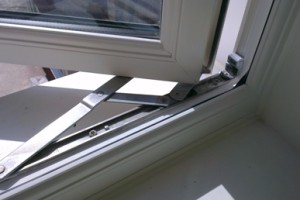
Broken Panes
Broken panes can be caused by severe weather or a baseball that the kids threw or a piece of rock that the lawnmowers has thrown up. A crack that extends across the entire pane of glass is a more extensive repair job and may be too difficult to tackle it yourself. The best course of action is to get a professional. If the damage is an area of small size or a broken pane, you can perform the work yourself with the appropriate tools and materials.
It is important to first prepare the area before you can install a new one. First, use a cross-hatch of tape to cover the area that is cracked so it doesn't break when you remove the old pane. Wear safety glasses and gloves, and scrape off any metal glazing points that remain in the frame using the help of a utility knife. Then scrape the old glaze compound and paint off the grooves that form an L shape, then grind them to bare wood and coat the grooves with the sealer.
Once the grooves are ready after which you can measure the width of the opening for the new pane. If you want to order a replacement that is accurate, you'll need to subtract between 1/16 and 1/8 inches from the total measurement. Then, get a piece double-strength tempered glass cut to your measurements and installed in the frame. The hardware store should be able to help you with this.
Apply a rope of glazing glue to the edge of the opening before installing the new glass. The pane should be pressed into place and smooth it with the blade of a putty. If there's a gap in the glass or at the edges, use more putty to close the area.
After the new pane has been put installed, place the glazing points into the sash. Install the points evenly in 6 inches intervals around the perimeter of a window that's 12 inches or larger. These will help hold the glass in place should you ever need to move it.
Caulking
Some window repair jobs require caulking cracks and gaps. This is a form of sealant that is typically composed of latex or silicone and filler materials like limestone to aid in bonding to surfaces. It's often used to seal areas where there are gaps between woodwork, like in windows and door frames as well as around sinks, baths and toilets and also the gaps between stonework or brickwork.
Caulking kits for home use are available, however it is recommended to clean the area first. Clean up dust and dirt using a damp cloth. You'll then need to remove old caulking using a scraper or putty knife. If there's a lot of traces left behind, you can clean it up with a small amount of acetone or nail polish remover. If you don't have an instrument, a razor blade will help you get rid of any remaining mixture.
After the area is cleaned, you can start repair any cracks. Strong-hold tape is a great option to stop the deterioration of superficial cracks, such as those caused by stress cracks resulting from low temperatures. For deeper cracks, it's necessary to extend the tape by a few inches over the edge of the crack on both sides.
If you have double or triple-pane windows, it's important to examine the seals around each pane. The moisture between the panes could cause condensation, which can increase the cost of energy, and cause windows to fog up or freeze in cold weather. If you notice moisture or condensation between your windows, or if the frame is showing signs of deterioration, replacement of the windows may be required.
If you're replacing windows, it's important to know what the project will cost. The average window replacement costs between $3 to $12 per square foot, based on the size of your house the window style, its design and whether you have single-pane or double-pane windows. The cost of labor will rise the moment you have to remove the window frame to replace the glass.
Replacement
If your window has been damaged beyond repair, you can replace it with a new glass. The best option will depend on the extent of the damage as well as the length of time you have owned the window. It's also cheaper to replace the entire window than to purchase small replacement panes.
Remove the glass that has cracked from its frame using a pair gloves. If it's stuck, gently wiggle it until it's free. After you've taken the glass off, clean any glass fragments with a damp cloth. Tape the cracks to prevent the spread of cracks.
Apply masking or concealing tape on both sides of the crack. This will prevent cracks from spreading and prevent water from leaking from the outside. If the cracks are deeper it is possible to increase the thickness of tape and extend it past both sides of the crack. You can also make use of glass adhesives that are solvent-based to fill in cracks and hold the pieces together.
You can also try resealing the glass with silicone sealant to provide a long-lasting fix. This will make your temporary fix weatherproof and give the glass a more solid and durable feel.
If the cracks in your window are caused by temperature stress it is possible that you are not in a position to stop the cracks from becoming worse until you replace the pane. You can stop the growth of cracks by applying a waterproofing layer to your window. This will protect windows from harmful environmental pollutants, glass breakdown, metal oxidation, condensation, smog, and dirt.
To prepare for the replacement of glass to replace it, measure the width and the height of the frame opening and subtract 1/8 inch from each measurement. This will ensure that the new pane of window is of the correct size and allows for seasonal expansion and contraction. You can bring these measurements to your local hardware or home improvement store to have the glass cut to size. You'll need to purchase a set of triangles made of metal called glass points that will keep the glass in place.